
With the country facing an estimated classroom gap of about 165,000 nationwide, building more schools is an urgent priority. But beyond constructing more classrooms, an equally important question is: How can every peso invested deliver the best possible value for Filipino learners?
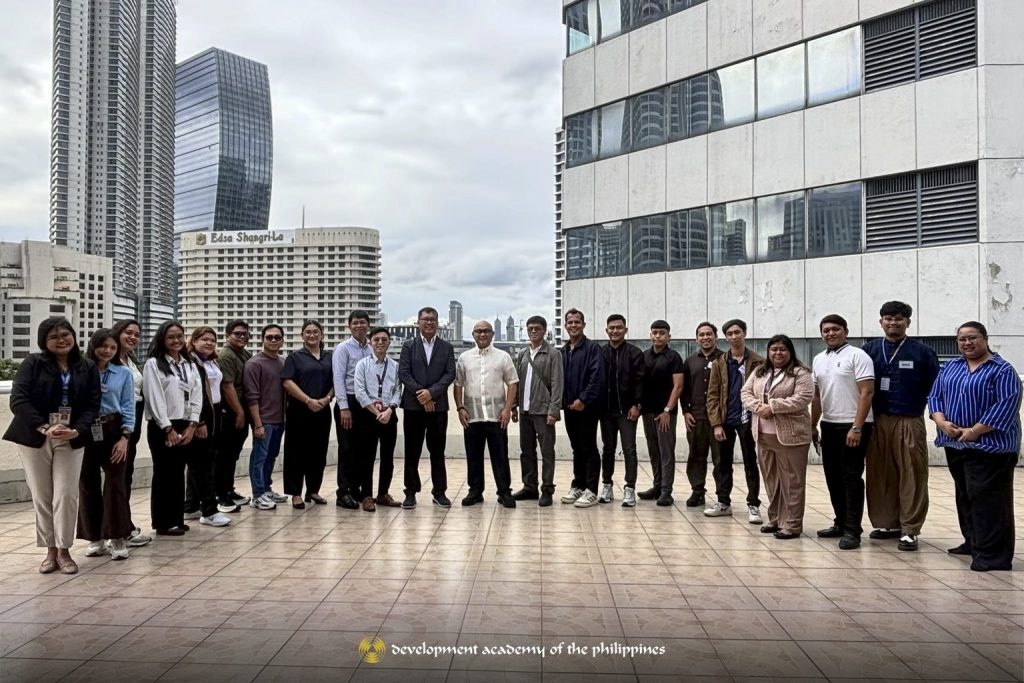
This was the focus of the Training Course on Costing and Value Engineering conducted by the Development Academy of the Philippines (DAP) for the Department of Education (DepEd) on July 21–22 and August 3–4, 2026.
The four-day training strengthened the practical capabilities of 26 participants from DepEd, the Department of Public Works and Highways (DPWH), the University of the Philippines Diliman Institute of Civil Engineering, and the Brotherhood of Christian Businessmen and Professionals (BCBP) in cost estimation, quantity takeoff, cost control, and value engineering for school infrastructure projects.
Led by construction estimating expert Engr. Rynor G. Jamandre, President and CEO of Quantity Solutions Inc., the sessions combined technical instruction with hands-on application, including the use of digital tools such as PlanSwift for quantity takeoff and cost estimation.
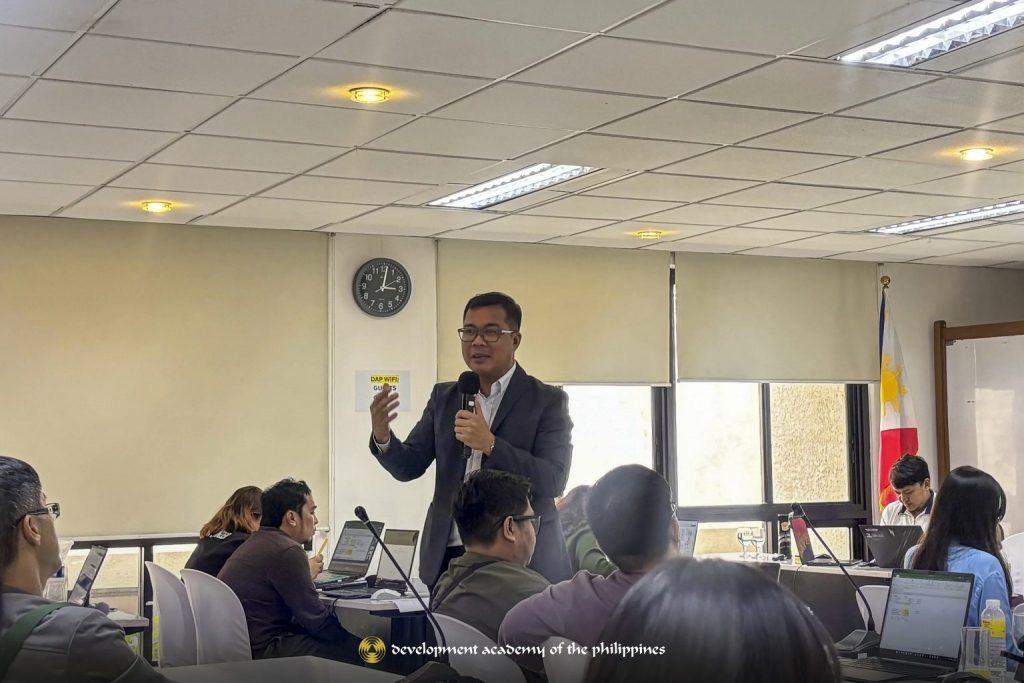
At its core, value engineering is about looking beyond the lowest initial cost. Decisions on materials, design, and construction must also consider quality, safety, durability, functionality, maintenance, and long-term performance.
For schools, these decisions have a direct impact on learners and communities. Better planning and costing can help deliver safer, more durable, more comfortable, and more functional learning spaces—while making responsible use of public resources.
As DepEd pursues faster and more innovative approaches to address the classroom shortage, strengthening the technical capabilities of those involved in school infrastructure planning and development is an important step toward ensuring that investments translate into lasting value for Filipino learners.
The challenge also opens opportunities for the private sector and other organizations to contribute. Businesses, developers, professional organizations, technology providers, local governments, investors, and development partners can bring expertise, resources, and innovative solutions to help build more classrooms—and build them better.
DepEd has likewise been pursuing broader partnerships to accelerate the delivery of school infrastructure and explore more innovative approaches to addressing the country’s classroom needs.
This is the spirit behind “Building Better Schools Together.” Closing the classroom gap is not simply about putting up more buildings. It is about creating learning spaces where Filipino children can learn safely, teachers can teach effectively, and communities can rely on schools that serve them for years to come.
Interested private-sector organizations, developers, professional organizations, investors, and other potential partners who wish to explore ways to support DepEd’s school infrastructure agenda may contact Ramil D. Chua, Director/OIC of the DepEd Public-Private Partnership Office, at ramil.chua@deped.gov.ph.
Better costing leads to better decisions. Better decisions can lead to better classrooms, bridging the gap toward future-ready classrooms for Philippine Learners through the DepEd PPP Program.
Building Better Schools Together.